What to Do in the First 24 Hours After a Car Accident in Texas
Got into a car accident in Texas? This step-by-step guide walks you through documenting the scene, notifying your insurer, and getting medical care in the first 24 hours — without the legal jargon.
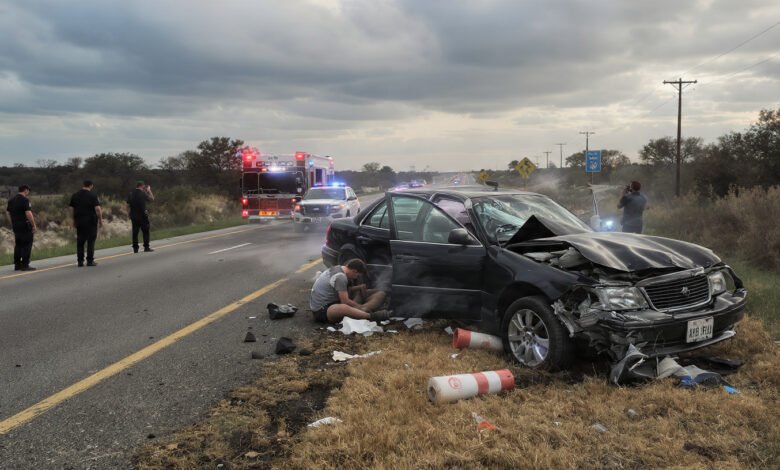
Texas roads are among the busiest in the country, and the numbers back that up. According to the Texas Department of Transportation (TxDOT) 2023 Crash Statistics Report, there was one reportable crash occurring every 57 seconds across the state last year, with 4,283 people losing their lives in motor vehicle crashes. Thousands more walked away with injuries ranging from minor whiplash to long-term disabilities.
The moments after a collision are disorienting. Adrenaline is high, emotions run even higher, and most people have no idea what they should actually be doing. The decisions you make in the first 24 hours, however, can have a huge impact on your health, your insurance claim, and your legal options down the road.
This guide breaks it down clearly, step by step, without the confusing legal speak.
What Should You Do Immediately After a Car Accident in Texas?
The very first thing you need to do is breathe. Panic makes things worse. Then work through the following steps in order.
Step 1: Check for Injuries and Call 911
Before anything else, check yourself and your passengers for injuries. Do not attempt to move anyone who appears to be seriously hurt unless there is an immediate danger like fire or smoke.
Call 911 right away. In Texas, you are legally required to report any accident that results in injury, death, or property damage exceeding $1,000 under the Texas Transportation Code, Section 550.026. Even if the damage looks minor, it is safer to report it. A responding officer will create an official crash report, which becomes one of the most important documents in any future insurance claim.
Step 2: Move to Safety if You Can
If the vehicles are drivable and it is safe to do so, move them out of active traffic lanes. Turn on your hazard lights and, if you have them, place road flares or reflective triangles behind your vehicle. This step protects you, your passengers, and other drivers from a secondary accident, which is more common than most people realize.


Do You Have to Call the Police After a Car Accident in Texas?
Yes, in most cases you do. Texas law requires drivers to report crashes involving injury, death, or significant property damage. Beyond the legal requirement, having an official police report protects you if the other driver later changes their story. Even in situations where officers do not respond to the scene, you can file a written report with TxDOT within 10 days if the crash meets reporting thresholds.
If officers do respond, cooperate fully, but stick to the facts. Avoid speculating or saying things like “I think it was my fault” before you have had time to process what happened.
Step 3: Document the Scene
This is where many accident victims lose critical ground. Thorough documentation of the scene can make or break an insurance claim or legal case later.
Here is what to capture with your phone:
- Wide-angle shots showing both vehicles and their positions on the road
- Close-up photos of all visible damage on every car involved
- Skid marks, debris, and road conditions
- Traffic signs, signals, and any obstructions that may have contributed to the crash
- Visible injuries (if you have them)
- The other driver’s license plate, insurance card, and driver’s license
- Contact information from any witnesses at the scene
Make sure to also take note of the time, date, weather conditions, and the exact location of the crash. These details might seem obvious in the moment but are easy to forget within hours.
If you want to understand how the evidence you collect at the scene connects to what you may receive in a settlement, the Roxell Richards blog covers a detailed breakdown of car accident claims step by step, including how documentation quality directly influences outcomes.
Step 4: Exchange Information With the Other Driver
Texas law requires all drivers involved in an accident to stop and exchange information. At minimum, collect the following from every driver involved:
- Full legal name and contact information
- Driver’s license number
- License plate number
- Insurance company name and policy number
- Vehicle make, model, and year
Be polite during this exchange but do not discuss fault, apologize, or make any statements about the accident that could be used against you later. Keep the interaction brief and factual.
How Long Do You Have to Report a Car Accident in Texas?
If law enforcement did not come to the scene and the crash resulted in injury or death, or if property damage exceeded $1,000, Texas law requires you to submit a written crash report to TxDOT within 10 days of the accident. You can find the CR-2 form directly on the TxDOT website.
For insurance purposes, most carriers require you to report the accident as soon as reasonably possible, often within 24 to 72 hours. Delays in reporting can give insurers grounds to complicate or delay your claim.
Step 5: Notify Your Insurance Company
Once you are safe and have documented the scene, contact your insurance company to report the accident. Most major carriers have 24-hour claim lines and mobile apps for this purpose.
When speaking with your insurer, stick to the basic facts:
- When and where the accident happened
- Who was involved
- A description of visible damage
- Whether anyone was injured
Do not give a recorded statement without first understanding your rights, and avoid speculating about fault. Insurance adjusters are trained to ask questions in ways that may minimize your claim, so the less you volunteer early on, the better.
According to the Insurance Research Council, delayed claims and lack of documentation are among the most common reasons auto insurance payouts are reduced or disputed. Getting ahead of this with a prompt report and solid evidence puts you in a much stronger position.
Should I Go to the Doctor After a Minor Car Accident in Texas?
Yes, and you should go as soon as possible, even if you feel fine.
This is one of the most important and most overlooked steps. Many serious injuries from car accidents, including whiplash, soft tissue damage, internal bleeding, and concussions, do not show obvious symptoms for 24 to 72 hours after impact. By the time the pain kicks in, the adrenaline has worn off and the inflammation has had time to set in.
The National Highway Traffic Safety Administration (NHTSA) reports that thousands of crash-related injuries go unreported at the scene because victims do not realize they are hurt. Seeking medical attention within 24 hours does two things: it protects your health, and it creates a medical record that directly links your injuries to the accident. This documentation is critical if you later need to file a personal injury claim.
If you have a primary care physician, call them. If you are experiencing any pain, dizziness, confusion, or discomfort, go to an emergency room or urgent care clinic. Tell the medical staff exactly what happened and describe every symptom, even ones that seem minor.
Keep all medical records, bills, prescriptions, and discharge instructions. These are part of your paper trail.
Step 6: Keep a Personal Injury Journal
Starting the day of the accident, keep a written log of how you are feeling physically and emotionally. Note pain levels, symptoms, sleep disruption, missed work, and any activities you are unable to perform due to your injuries.
This kind of documentation supports the human side of a claim that medical records alone cannot fully capture. Courts and insurance adjusters consider pain and suffering, loss of enjoyment of life, and emotional distress as legitimate components of damages in Texas personal injury cases.
Your 24-Hour Car Accident Checklist
| Time Frame | Action |
| Immediately | Check for injuries, call 911, move to safety |
| At the scene | Document everything, exchange info, speak with witnesses |
| Within 1-3 hours | Contact your insurance company to file a report |
| Within 24 hours | See a doctor, even if you feel okay |
| Within 24 hours | Begin a personal injury journal |
| Within 10 days | File a written crash report with TxDOT (if required) |
Avoid These Common Mistakes After a Texas Car Accident
Even people who do everything right at the scene sometimes undermine their own case in the hours that follow. Here are the mistakes that come up most often.
Posting on social media. Anything you post publicly after an accident can be used by insurance adjusters or opposing attorneys to dispute your injuries or your account of events. Keep the accident off your social channels entirely until any claims are resolved.
Accepting a fast settlement. Insurance companies sometimes offer quick settlements shortly after a crash. While the money may seem appealing, accepting early means waiving your right to pursue further compensation, even if additional injuries or costs surface later. Texas law gives you two years from the date of the accident to file a personal injury lawsuit, so you do not have to rush.
Assuming minor damage means minor injury. Vehicle damage does not accurately predict injury severity. According to research published by the American Journal of Emergency Medicine, low-speed collisions are responsible for a significant portion of whiplash injuries treated in emergency rooms. Do not skip the doctor because your car looks okay.
Trying to handle everything alone. If the accident involved a commercial vehicle, multiple cars, disputed liability, or serious injuries, navigating the aftermath without professional guidance can cost you significantly. Speaking with a Houston car accident lawyer early does not mean you are filing a lawsuit. It means you understand your options before making decisions that could affect your outcome.
What Information Should I Get After a Car Accident in Texas?
To recap, here is everything you should gather before leaving the scene:
- Full names, phone numbers, and addresses of all drivers and passengers
- Driver’s license numbers of all drivers
- License plate numbers and vehicle descriptions
- Insurance company names and policy numbers
- Names and contact information for any witnesses
- The responding officer’s name and badge number (if applicable)
- The official crash report number
The more complete your information, the smoother the claims process will be.
The Bottom Line
A car accident is one of the most stressful experiences a person can go through, and the first 24 hours matter more than most people realize. Prioritizing safety, documenting everything, reporting to your insurer promptly, and seeing a doctor right away are the four pillars of protecting yourself after a crash in Texas.
You do not need to navigate all of this alone, and you do not need to know the law inside and out to do things right. What you do need is a clear head, a charged phone, and this checklist in your back pocket.
Texas roads will keep moving. Make sure you are protected if you ever find yourself stopped unexpectedly on one of them.