Military Defense Lawyer: Legal Guidance for Service Members Facing Military Proceedings
Military defense lawyers protect service members facing court-martials, disciplinary actions, and military legal disputes with skilled legal representation.
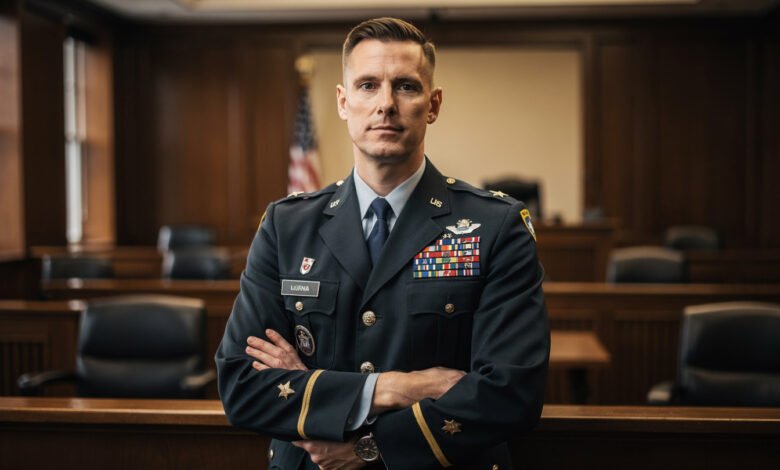
Military service comes with responsibilities and legal obligations that differ from those in civilian life. While military personnel enjoy many rights, they are also subject to a separate legal system designed to maintain discipline, order, and readiness within the armed forces. When legal issues arise, working with the best military defense lawyer that can help service members better understand their rights and the legal process.
Whether facing criminal allegations, disciplinary actions, administrative proceedings, or court-martial charges, military legal matters require knowledge of military law and procedures. This article explains the role of a military defense lawyer, the types of cases they handle, and why specialized legal representation is important.
What Is a Military Defense Lawyer?
A Military Defense Lawyer is a legal professional who focuses on representing members of the armed forces in matters involving military law. Unlike civilian criminal attorneys, military defense lawyers understand the rules, regulations, and procedures established under the Uniform Code of Military Justice (UCMJ).
Military law differs significantly from civilian law because it governs conduct within the military environment. Service members may face consequences that affect not only their freedom but also their military career, benefits, promotions, security clearance, and future employment opportunities.
Understanding the Military Justice System
The military justice system exists to maintain discipline throughout the armed forces. Although it shares similarities with civilian courts, it has its own rules, courts, and legal processes.
Some common proceedings within the military justice system include:
- Non-judicial punishment (NJP)
- Administrative separation proceedings
- Courts-martial
- Appeals of military convictions
- Administrative investigations
Each type of proceeding carries different procedures and possible consequences. A military defense lawyer helps explain these differences while ensuring that the service member’s legal rights are protected throughout the process.


Common Cases Handled by a Military Defense Lawyer
Military attorneys represent clients in a wide range of legal matters.
Court-Martial Defense
A court-martial is similar to a criminal trial in civilian court but follows military rules and procedures. Depending on the severity of the allegations, courts-martial may result in penalties ranging from reprimands to confinement or discharge from military service.
A military defense lawyer prepares legal arguments, examines evidence, questions witnesses, and represents the accused throughout the proceedings.
Non-Judicial Punishment (Article 15)
Not every military offense results in a court-martial. Some disciplinary matters are handled through non-judicial punishment, commonly referred to as Article 15 in many branches of the military.
Although these proceedings are less formal than a trial, they can still affect promotions, pay, duties, and military records.
Administrative Separation
Service members may face involuntary separation for various reasons, including misconduct, medical issues, or failure to meet military standards.
A military defense lawyer can help review the evidence, explain available options, and represent the service member during separation hearings when applicable.
Military Criminal Investigations
Military personnel may become subjects of investigations conducted by military law enforcement agencies.
Legal representation during an investigation can help ensure that the service member understands their rights before answering questions or making statements.
Why Military Law Requires Specialized Knowledge
Military law contains procedures and terminology that differ from civilian legal systems. The rules governing evidence, discipline, command authority, and appeals often require specialized understanding.
For example, military courts operate under the Uniform Code of Military Justice rather than state criminal statutes. Commanding officers also play a significant role in certain disciplinary actions that would not exist in civilian courts.
Rights of Service Members During Legal Proceedings
Military personnel retain important legal rights even when facing disciplinary action or criminal charges.
These rights may include:
- The right to legal representation
- The right to remain silent under certain circumstances
- The right to review evidence when permitted
- The right to present witnesses and evidence
- The right to appeal certain decisions
Understanding these rights can help service members make informed decisions throughout the legal process.
Choosing a Military Defense Lawyer
Not every attorney has experience handling military cases. When evaluating legal representation, individuals often consider several factors.
Experience with Military Law
Attorneys who regularly practice military law are generally more familiar with military procedures, regulations, and court-martial litigation.
Knowledge of the UCMJ
The Uniform Code of Military Justice serves as the primary legal framework governing military offenses. Familiarity with its provisions is essential for effective representation.
Courtroom Experience
Military trials involve unique procedural rules. Attorneys with court-martial experience often have practical knowledge of presenting evidence, examining witnesses, and navigating military court proceedings.
Communication and Guidance
Military legal matters can be stressful and unfamiliar. Clear communication helps service members understand each stage of the legal process and their available options.
The Importance of Early Legal Representation
Many military legal issues begin with an investigation before formal charges are filed. Seeking legal guidance early may help service members better understand the process and avoid actions that could unintentionally affect their case.
Early representation may also assist with:
- Reviewing investigative procedures
- Explaining legal rights
- Preparing for interviews
- Evaluating available evidence
- Identifying possible legal defenses
While every case is different, early legal advice often provides greater clarity during uncertain situations.
Additional Resources for Understanding Military Law
Individuals interested in learning more about military justice can review publicly available educational resources from government organizations.
Useful references include:
- The Uniform Code of Military Justice (UCMJ) available through the U.S. government.
- Information from the Judge Advocate General’s Corps (JAG) explaining military legal services and military justice procedures.
These resources provide general information but should not be viewed as a substitute for individualized legal advice.
Conclusion
Military legal matters differ significantly from civilian legal cases, making specialized legal knowledge especially valuable. A Military Defense Lawyer understands the rules governing courts-martial, administrative actions, military investigations, and disciplinary proceedings under the Uniform Code of Military Justice.