Why Migration Happens: Exploring the Most Common Reasons People Relocate
Explore the top migration reasons, key factors influencing relocation, and the social and economic impacts of migration on individuals and communities.
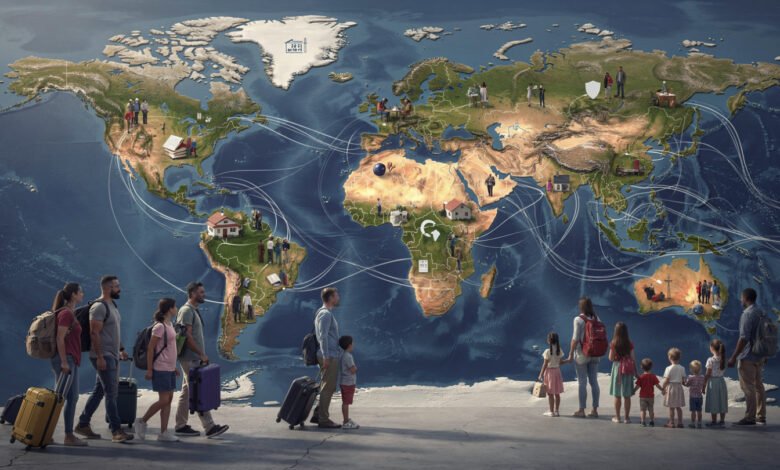
Migration has been a part of human history for centuries. People have always moved from one place to another in search of better opportunities, safety, or improved living conditions. Today, migration continues to shape economies, cultures, and communities around the world. Understanding migration reasons can help individuals gain a clearer perspective on why people choose to relocate and how these movements affect societies.
This article explores the most common migration reasons, the factors that influence migration decisions, and the broader impact of migration on individuals and communities.
What Is Migration?
Migration refers to the movement of people from one location to another, either within a country or across international borders. Migration can be temporary or permanent and may occur for personal, economic, social, environmental, or political reasons.
People who move to another country are often referred to as migrants. Depending on the circumstances, migrants may relocate voluntarily or be forced to move due to challenging conditions in their home regions. Learn More About Common Migration Reasons.
The Main Categories of Migration Reasons
Migration is often influenced by a combination of factors rather than a single cause. These reasons are generally divided into “push factors” and “pull factors.”
Push Factors
Push factors are circumstances that encourage people to leave their current location. These may include:
- Limited employment opportunities
- Political instability
- Armed conflict or violence
- Natural disasters
- Poor living conditions
- Lack of access to education or healthcare
Pull Factors
Pull factors are attractions that draw people toward a new destination. Common examples include:


- Better job opportunities
- Higher wages
- Access to quality education
- Improved healthcare systems
- Greater safety and security
- Family reunification opportunities
Understanding the relationship between push and pull factors provides valuable insight into common migration reasons worldwide.
Economic Migration
One of the most significant migration reasons is the pursuit of economic opportunities. Many individuals relocate to improve their financial circumstances and provide better futures for themselves and their families.
Seeking Employment
In some regions, jobs may be scarce, wages may be low, or career advancement opportunities may be limited. Moving to another city, state, or country can provide access to stronger labor markets and higher-paying positions.
Improving Quality of Life
Economic migration is not solely about employment. Individuals may also seek better housing, improved public services, and enhanced living standards. These factors contribute to a higher quality of life and long-term financial stability.
Educational Opportunities
Education is another important factor influencing migration decisions. Students frequently move to pursue academic programs that may not be available in their home regions.
Access to Specialized Programs
Many universities and educational institutions offer specialized degrees, research opportunities, and professional training that attract international students.
Career Development
Obtaining education abroad can open doors to global career opportunities. Students often seek educational experiences that enhance their skills, increase employability, and provide international exposure.
Family and Social Reasons
Family considerations play a major role in migration patterns across the world.
Family Reunification
Many countries allow residents and citizens to sponsor certain family members for immigration. This process helps families remain together and strengthens social support networks.
Marriage and Relationships
Individuals may also relocate to join spouses or partners living in another country. Family-based migration is often driven by the desire to maintain close personal relationships and establish a stable household.
Political and Security Concerns
Safety is among the most powerful migration reasons. When people face threats to their well-being, migration may become a necessity rather than a choice.
Political Instability
Government unrest, political persecution, and restrictions on civil freedoms can create environments where individuals feel unsafe or unable to live freely.
Conflict and Violence
Wars, armed conflicts, and widespread violence frequently force people to leave their homes. In these situations, individuals may seek refuge in safer regions or neighboring countries.
Some migrants in these circumstances may qualify for legal protections under refugee or asylum laws, depending on their situation and the laws of the destination country.
Environmental and Climate Factors
Environmental challenges are becoming increasingly significant migration reasons in many parts of the world.
Natural Disasters
Floods, hurricanes, earthquakes, and wildfires can damage homes, infrastructure, and local economies. Following major disasters, affected populations may relocate temporarily or permanently.
Climate Change
Long-term environmental changes such as rising sea levels, droughts, and desertification can make certain regions difficult to inhabit. As climate-related challenges increase, migration linked to environmental conditions is expected to become more common.
Healthcare and Quality of Life Considerations
Access to healthcare and public services can strongly influence migration decisions.
Individuals may move to areas with:
- Better medical facilities
- More advanced treatment options
- Improved public health systems
- Enhanced social services
For families with children or elderly relatives, access to quality healthcare can be a decisive factor when considering relocation.
The Impact of Migration
Migration affects both migrants and the communities involved.
Benefits of Migration
Migration can contribute to:
- Economic growth
- Cultural diversity
- Knowledge exchange
- Labor market development
- Innovation and entrepreneurship
Migrants often bring valuable skills, experiences, and perspectives that enrich their new communities.
Challenges of Migration
At the same time, migration can present challenges such as:
- Language barriers
- Cultural adjustment
- Employment transitions
- Legal and administrative processes
- Separation from family and familiar surroundings
Successfully adapting to a new environment often requires time, resources, and community support.
Understanding Common Migration Patterns
Modern migration is complex and influenced by a combination of economic, social, political, and environmental factors. While every individual’s circumstances are unique, many migration decisions reflect common themes related to opportunity, security, family, and personal development.
Conclusion
Migration is a multifaceted phenomenon driven by a variety of interconnected factors. Economic opportunities, educational advancement, family reunification, political stability, environmental conditions, and access to healthcare all play important roles in shaping migration decisions.